

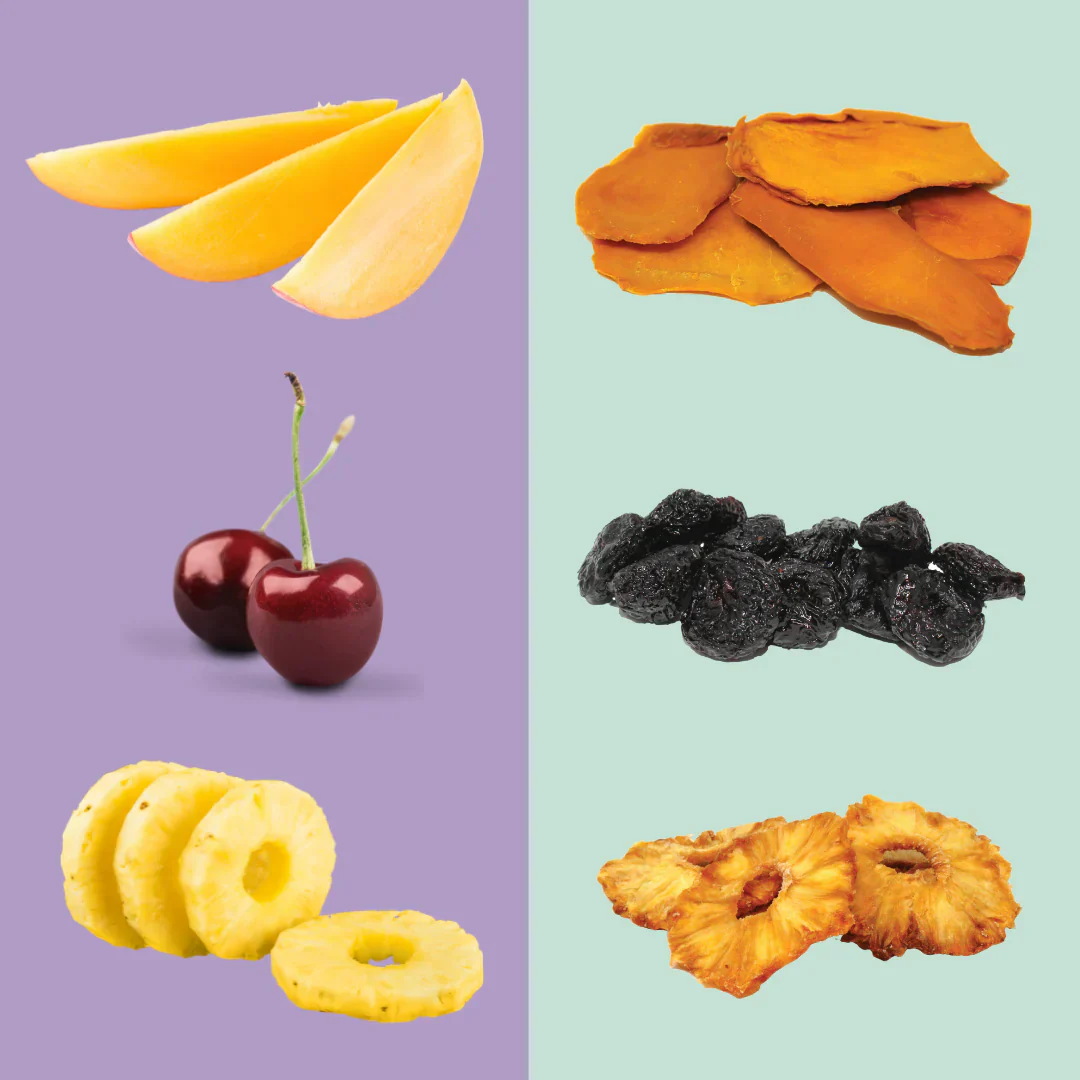
Fruits are a vital part of a balanced diet, offering a wide range of vitamins, minerals, and antioxidants. However, the debate between fresh fruits and dried fruits has been ongoing for years. Both types have their benefits, but choosing the right one for your diet depends on various factors such as nutritional value, convenience, and personal preferences. In this article, we’ll break down the pros and cons of each, comparing their nutritional benefits, caloric content, and how they affect your health.
The Benefits of Eating Fresh Fruits
Fresh fruits are often considered the healthiest option due to their natural state. They are packed with water, fiber, and essential nutrients that are easily absorbed by the body. Here’s why fresh fruits should be a part of your daily diet:
Fresh fruits contain a high percentage of water, which helps keep you hydrated. Hydration is essential for maintaining good skin health, supporting digestion, and preventing fatigue. For instance, watermelon, oranges, and strawberries are great sources of water, making them perfect for hot days or after a workout.
Fiber is one of the key components of fresh fruits, particularly in the skin and pulp. Consuming fiber helps regulate digestion, prevent constipation, and keep you feeling full longer. Apples, pears, and berries are all high in fiber and can aid in weight management.
Fresh fruits are loaded with vitamins and minerals that our bodies need to function. Vitamin C, found abundantly in citrus fruits like oranges, lemons, and grapefruits, boosts the immune system, while potassium in bananas helps maintain a healthy heart. Fresh fruits are also an excellent source of antioxidants that help protect cells from oxidative damage.
The Appeal of Dried Fruits
Dried fruits are often touted for their convenience and portability. They can be stored for long periods without refrigeration, making them an ideal snack for people on the go. But how do dried fruits compare to fresh fruits in terms of health benefits?
When fruits are dried, their nutrients become more concentrated. This means that dried fruits can pack more calories, fiber, vitamins, and minerals per ounce compared to fresh fruit. For example, raisins, dried apricots, and prunes are rich in iron, making them an excellent option for individuals who may be deficient in this mineral.
One of the most significant advantages of dried fruits is their shelf life. Fresh fruits can spoil quickly, especially if not stored correctly, but dried fruits can last for months without refrigeration. This makes them an excellent option for emergency food storage or for those who don’t have access to fresh produce regularly.
Like fresh fruits, dried fruits are rich in antioxidants, which are essential for preventing cell damage caused by free radicals. Dried fruits such as raisins and dried figs contain high levels of polyphenols, compounds that have been shown to reduce inflammation and promote heart health.
Comparing Nutritional Value: Fresh vs Dried Fruits
One of the main differences between fresh and dried fruits is their caloric density. Because dried fruits have had their water content removed, they are more calorie-dense. This means that a small portion of dried fruit can contain a significantly higher amount of calories compared to fresh fruit. For example, one cup of fresh grapes contains around 60 calories, while one cup of raisins can contain about 400 calories. This makes dried fruits a better option for those who need a higher calorie intake but can lead to overconsumption if not eaten in moderation.
Dried fruits often have a higher concentration of sugar, as the dehydration process concentrates the sugars naturally present in the fruit. While fresh fruit provides a natural sugar boost, it also offers water and fiber to balance the glycemic load. Dried fruits, on the other hand, can lead to quicker spikes in blood sugar levels. It’s important for individuals with diabetes or those managing their sugar intake to be cautious with dried fruit consumption.
Vitamin Loss During Drying
Although dried fruits retain many nutrients, the drying process can lead to a loss of certain vitamins, particularly vitamin C. Fresh fruits like oranges and strawberries are rich in this vitamin, but it is significantly reduced when the fruit is dried. For example, dried blueberries contain a fraction of the vitamin C found in their fresh counterparts.
Which Is Better for Weight Loss?
Fresh fruits are low in calories and high in water content, which can help you feel full without consuming too many calories. This makes them a great choice for anyone looking to lose weight. The fiber in fresh fruits also aids digestion and helps prevent overeating. Examples of weight-loss-friendly fruits include watermelon, grapefruit, and apples.
While dried fruits can be calorie-dense, they can still be included in a weight loss plan if consumed in moderation. The high fiber content of dried fruits like prunes and apricots helps keep you full, reducing the chances of snacking on unhealthy options. However, portion control is key, as it’s easy to eat more than the recommended serving size.
How to Incorporate Both into Your Diet
Both fresh and dried fruits have their benefits, and there’s no need to choose one over the other. You can combine both types into your diet to get the best of both worlds. Add fresh fruit to your smoothies for hydration and a boost of vitamins, while keeping dried fruit in your pantry as a convenient, energy-packed snack.
For a quick snack, you can enjoy a handful of dried fruit mixed with nuts, or pair fresh fruit with yogurt for a healthy and filling option. This combination gives you the benefits of hydration, protein, and healthy fats, making it a balanced snack choice.
Fresh fruits can be added to salads, cereals, or even savory dishes like grilled chicken or fish for a burst of flavor. Dried fruits like raisins or apricots make a great addition to baked goods like muffins or energy bars. The possibilities are endless when it comes to incorporating both fresh and dried fruits into your daily meals.
The Final Verdict: Fresh or Dried Fruits?
Both fresh and dried fruits have their place in a healthy diet, and it ultimately depends on your personal health goals and lifestyle. Fresh fruits are excellent for hydration, nutrient density, and weight loss, while dried fruits provide a more concentrated source of calories, fiber, and antioxidants. When choosing between the two, consider your nutritional needs, how often you need portable snacks, and how they fit into your overall diet.
Incorporating a variety of both types of fruits can help you enjoy the best of both worlds while maintaining a balanced, healthy diet. Whether you prefer the juiciness of fresh fruit or the convenience of dried, both offer valuable health benefits that can support your well-being in different ways.
Conclusion
In the end, fresh and dried fruits both offer unique benefits. The key is moderation and variety. Whether you choose fresh or dried, be sure to include these nutrient-packed fruits as part of a well-rounded diet. By doing so, you’re sure to enjoy the many health benefits that fruits have to offer.
