





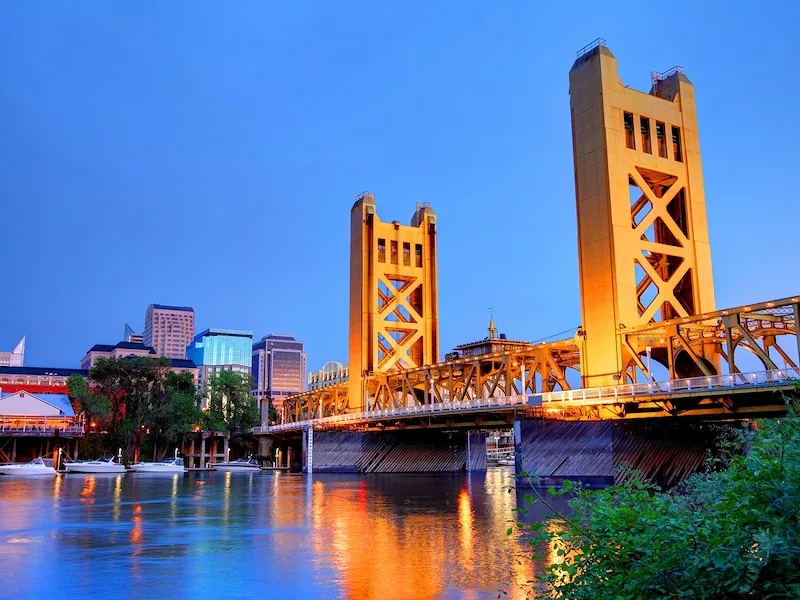
When people think of California, cities like Los Angeles or San Francisco often come to mind first. But Sacramento quietly holds a unique place in the state’s history, economy, and culture. As the capital of California blends political influence, Gold Rush heritage, diverse neighborhoods, farm-to-fork cuisine, and a rapidly growing urban scene.
This in-depth guide explores from every angle — history, lifestyle, real estate, tourism, economy, neighborhoods, weather, and things to do — all written in a natural, human tone and structured for easy reading.
Where Is Sacramento Located?
Sacramento is located in Northern California, about 90 miles northeast of San Francisco. It sits at the confluence of the Sacramento River and the American River, making it a historically important trade and transportation hub.
Because of its central location, serves as a gateway to:
-
Lake Tahoe
-
Napa Valley
-
Yosemite National Park
-
The San Francisco Bay Area
Its strategic position has helped it grow into a major political, economic, and cultural center in the region.
The History of Sacramento
Sacramento’s roots trace back to 1848, when gold was discovered at Sutter’s Mill near Coloma. The city quickly became a supply center for miners heading into the Sierra Nevada mountains. During the California Gold Rush, Sacramento exploded in population and economic activity.
The city was officially incorporated in 1850, the same year California became a state. Not long after, was chosen as the permanent state capital.
Sacramento also played a major role in railroad history. It was the western terminus of the First Transcontinental Railroad, completed in 1869. This development connected California to the rest of the United States and fueled long-term growth.
Over time, evolved from a rough-and-tumble Gold Rush town into a modern metropolitan city. Today, it is one of the fastest-growing regions in California, attracting families, professionals, and entrepreneurs seeking more affordable living compared to coastal cities.
Sacramento Weather and Climate
Sacramento has a Mediterranean climate, which means:
-
Hot, dry summers
-
Mild, wet winters
-
Plenty of sunshine year-round
Summer temperatures often reach the 90s and sometimes exceed 100°F. Winters are generally cool but rarely freezing. Rain mostly falls between November and March.
Because of this climate, outdoor activities remain popular throughout most of the year.
Things to Do in Sacramento
Sacramento offers a surprising range of attractions. Whether you enjoy history, food, sports, or nature, there is something here for everyone.
Old Waterfront preserves 19th-century buildings, wooden sidewalks, and historic storefronts. Visitors can explore museums, shops, and riverfront views while stepping back into Gold Rush history.
Popular attractions in Old include:
-
California State Railroad Museum
-
Riverboat cruises
-
Historic saloons and restaurants
The California State Capitol building is one of’ most iconic landmarks. Visitors can tour the chambers, learn about state government, and explore Capitol Park’s beautiful gardens.
is known as America’s Farm-to-Fork Capital. Surrounded by fertile agricultural land, the city benefits from fresh produce, local meats, and seasonal ingredients.
Restaurants focus on:
-
Organic vegetables
-
Local wine pairings
-
Artisan bread and craft beer
The annual Farm-to-Fork Festival attracts visitors from across the country.
Sacramento Neighborhoods
Sacramento’s neighborhoods each have their own personality and lifestyle appeal.
Sacramento Real Estate Market
-
Lower home prices
-
Larger properties
-
Better value per square foot
This affordability has drawn remote workers and families seeking more space.
Key reasons include:
-
Lower cost of living
-
Growing job market
-
Quality schools
-
Strong community feel
-
Proximity to both mountains and coast
Although home prices have increased in recent years, Sacramento remains more accessible than many California metros.
Sacramento Economy and Job Market
Sacramento’s economy is diverse and stable.
As the state capital, government jobs form a large part of the workforce. Thousands of employees work in legislative offices, agencies, and public administration.
Healthcare is another major industry. Several large hospitals and medical centers operate throughout the region.
Sacramento has seen growth in tech startups, software companies, and innovation hubs. While not as large as Silicon Valley, the tech ecosystem is expanding steadily.
Thanks to its agricultural surroundings, food production, processing, and distribution play important roles in the regional economy.
Education in Sacramento
Sacramento offers a variety of public and private schools, along with higher education institutions.
Colleges and universities include:
-
California State University, Sacramento (Sac State)
-
University of California, Davis (nearby)
These institutions contribute to the city’s educated workforce and cultural vibrancy.
Transportation in Sacramento
-
Amtrak rail service
-
Light rail system
-
Major highways including I-5 and Highway 50
While some residents rely on cars, public transit continues to expand.
Sacramento Sports and Entertainment
The Sacramento Kings represent the city in the NBA. Golden 1 Center in downtown hosts games, concerts, and major events.
-
Farm-to-Fork Festival
-
California State Fair
-
Music and cultural festivals
-
Food truck gatherings
These events create a lively, community-oriented atmosphere.
Cost of Living in Sacramento
While California is known for high living costs, is relatively affordable by comparison.
Housing is cheaper than in coastal cities. Utility costs are moderate, and food expenses benefit from local agricultural production.
However, prices have risen due to increased demand and migration from more expensive regions.
Is Sacramento a Good Place to Live?
Many residents describe as balanced. It offers urban amenities without the overwhelming density of larger cities.
Benefits include:
-
Access to outdoor recreation
-
Career opportunities
-
Strong community networks
-
Cultural diversity
-
Less traffic than major metros
Sacramento Tourism and Travel Tips
-
Best time to visit: Spring or Fall
-
Summer can be extremely hot
-
Rent a bike to explore the river trails
-
Try local wine and seasonal dishes
-
Explore both downtown and suburban areas
Many travelers combine with trips to Lake Tahoe or Napa Valley.
The Future of Sacramento
Sacramento continues to grow in population, infrastructure, and economic influence.
Future development plans include:
-
Downtown revitalization
-
Expanded public transportation
-
Mixed-use housing projects
-
Sustainable urban planning initiatives
As remote work reshapes where people choose to live, Sacramento’s affordability and location make it increasingly attractive.
Final Thoughts on Sacramento
Sacramento is more than just California’s capital. It is a city shaped by history, strengthened by agriculture, driven by government and healthcare industries, and energized by a growing urban culture.
From Gold Rush beginnings to modern innovation, represents a unique blend of past and future. Whether you are considering relocating, investing in real estate, visiting for tourism, or exploring job opportunities, offers a compelling mix of opportunity, lifestyle, and community.
Its rivers, tree-lined streets, diverse neighborhoods, and evolving downtown make it one of Northern California’s most underrated cities — and one that continues to rise in prominence.