

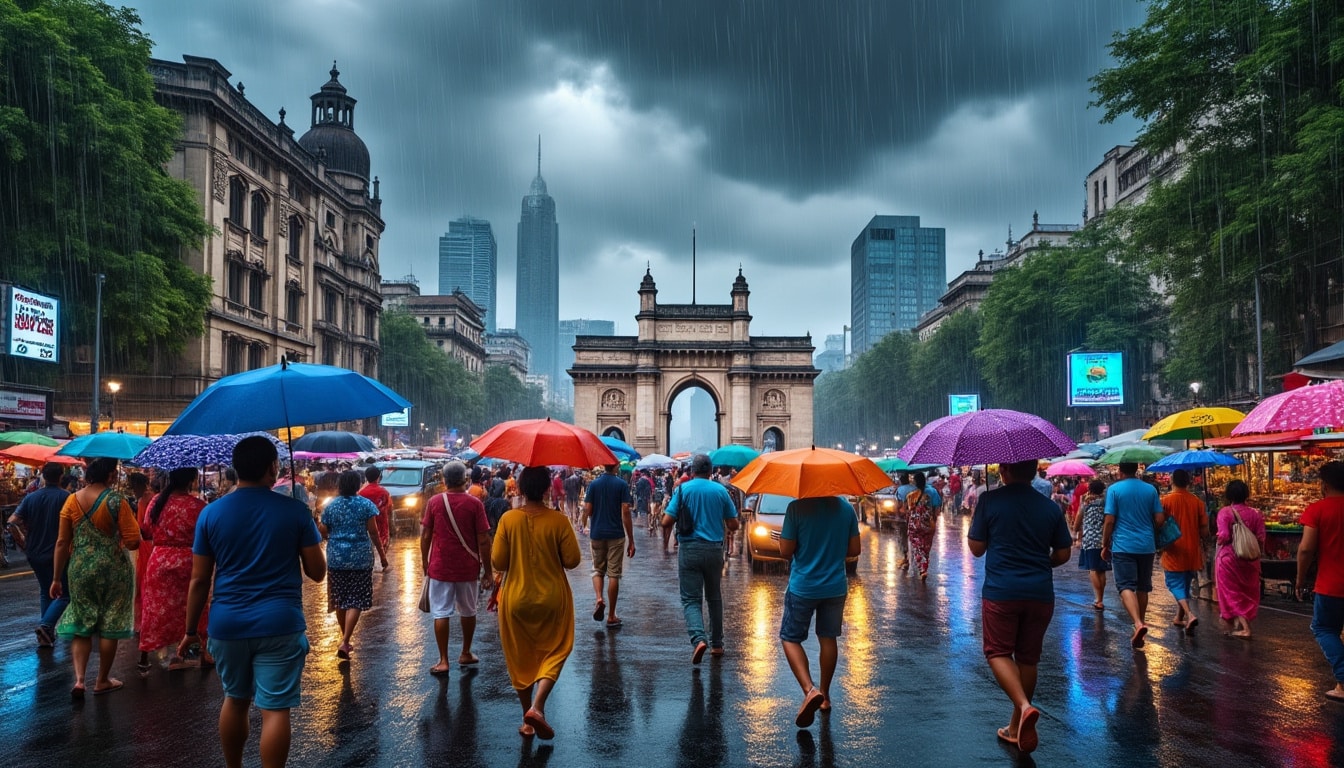
The monsoon season is one of nature’s most anticipated events, bringing with it a sense of rejuvenation, relief, and excitement. For many, it signifies the end of a hot, dry spell, and the beginning of refreshing rains that nourish the land and replenish water sources. The word “monsoon” itself brings visions of heavy rainfall, cool breezes, and lush greenery. But there’s more to the monsoon than just the rain.
In this article, we’ll dive into the season, its significance, its impact on nature and society, and how to make the most of it.
What is the Monsoon Season?
The monsoon is a seasonal weather pattern characterized by a significant shift in wind patterns, leading to prolonged periods of rainfall. It is most commonly associated with tropical regions, especially in countries like India, Southeast Asia, and parts of Africa.are typically classified into two types:
1. Southwest Monsoon
This monsoon brings rains to most parts of India and Southeast Asia from June to September. The winds blow from the southwest, carrying moisture from the ocean, which results in heavy rainfall across vast regions.
2. Northeast Monsoon
This occurs from October to December, predominantly affecting parts of India, particularly the southeastern coast, as well as Sri Lanka and parts of Southeast Asia.
The Science Behind Monsoons
Monsoons occur due to the complex interaction between the earth’s surface, the atmosphere, and the oceans. During the warmer months, the land heats up faster than the surrounding ocean, creating low-pressure areas over land and high-pressure areas over the sea. The wind moves from areas of high pressure to low pressure, bringing moisture-laden air from the ocean. When this moist air encounters the land, it condenses into clouds and rains down on the region, leading to the season.
The Role of Monsoon in Nature
The is much more than just a weather event – it plays a critical role in the ecological balance and sustenance of many regions.
1. Agricultural Impact
Monsoon rains are vital for agriculture, particularly in countries where farming is heavily reliant on seasonal rains. In India, for example, about 60% of the agricultural output is dependent on the monsoon. Crops such as rice, sugarcane, and maize thrive during this season, making the a crucial factor in food security.
2. Replenishing Water Resources
Monsoons help refill groundwater levels and reservoirs. This is essential for ensuring water supply throughout the dry season. In many places, rivers swell during the monsoon, providing water to millions of people and supporting aquatic ecosystems.
3. Ecosystem Regeneration
The monsoon revitalizes ecosystems, bringing greenery and life back to parched landscapes. Forests, wetlands, and grasslands bloom with new growth as the rains foster biodiversity. Many animals and plants have evolved to adapt to the making it a period of abundant life.
4. Soil Fertility
Monsoon rains also contribute to soil fertility. The constant movement of water through the soil helps in the breakdown of organic matter and distributes nutrients throughout the land. This helps in maintaining the health of the soil and supports the growth of various crops and vegetation.
The Economic Impact of the Monsoon
In countries like India, the has far-reaching consequences beyond agriculture. The season influences multiple sectors of the economy, including:
1. Food Prices
Since the monsoon directly affects crop production, any irregularities in the rainfall pattern, such as delays or drought, can lead to significant economic consequences. A poor can lead to crop failure, causing food prices to spike. This, in turn, affects consumer purchasing power and food security.
2. Tourism
For many regions, the season also influences tourism. Some tourists flock to regions that are known for their monsoon beauty, such as Kerala in India, where lush greenery and cascading waterfalls make the season a popular travel time. However, in areas prone to flooding and storms, tourism may decline during the monsoon.
3. Infrastructure and Logistics
The monsoon can also impact infrastructure. Heavy rains often cause flooding, landslides, and transportation disruptions, which can delay deliveries, damage roads and buildings, and impede the movement of goods. Governments and local authorities must be prepared for the monsoon’s impact on infrastructure.
The Challenges of Monsoon
While the monsoon brings much-needed rain, it can also present various challenges, especially in densely populated regions.
1. Flooding and Waterlogging
Heavy monsoon rains can cause floods, especially in urban areas with inadequate drainage systems. This leads to waterlogging, which disrupts daily life, damages property, and can lead to the spread of waterborne diseases.
2. Landslides
In hilly and mountainous regions, the rains loosen the soil, leading to landslides. These can block roads, displace communities, and cause loss of life. Governments must invest in proper drainage systems and landslide control measures to mitigate these risks.
3. Health Issues
While the monsoon is essential for replenishing water supplies, it also creates a breeding ground for disease-carrying mosquitoes, such as those that cause malaria and dengue fever. Additionally, the stagnant water can lead to the spread of other waterborne diseases like cholera, typhoid, and dysentery.
4. Loss of Property
In certain regions, the intensity of the can cause significant damage to homes and infrastructure. High winds, floods, and even cyclones can destroy buildings, crops, and personal belongings, causing economic hardship for the affected communities.
How to Prepare for the Monsoon
While the brings relief, it also requires preparation. Here’s how you can stay safe and make the most of the rainy season:
1. Weather Awareness
Staying updated with weather forecasts is crucial. Monitor local news and weather apps to stay informed about any incoming storms or floods. This will help you take timely action to protect your property and loved ones.
2. Prepare Your Home
Make sure your home is ready for the rains by cleaning gutters, sealing windows, and repairing any leaks. If you’re in an area prone to flooding, consider elevating electrical appliances and furniture to prevent water damage.
3. Travel Smart
When traveling during the ensure that you are prepared for heavy rain, slippery roads, and poor visibility. Carry an umbrella, wear waterproof clothing, and use caution when driving or walking through flooded areas.
4. Health Precautions
To avoid health issues, keep yourself dry, wash your hands regularly, and avoid consuming untreated water. Make sure to use insect repellents to protect against mosquito bites and take necessary precautions to avoid waterborne diseases.
Monsoon in Different Parts of the World
Monsoon is not just confined to South Asia; it has a significant presence in other parts of the world too.
1. Monsoon in Africa
In West Africa, the monsoon rains bring life to the Sahel region, supporting agriculture and livestock. However, the rains are often unpredictable and can lead to droughts or floods, causing challenges for farmers and communities.
2. Monsoon in Australia
In Australia, the is most prominent in the northern regions. Known as the “Wet Season,” it brings intense rainfall and thunderstorms that last from November to April. This rainfall supports agriculture but can also cause cyclones, floods, and heavy damage.
3. Monsoon in the Americas
The monsoon season in parts of the Americas, especially Central America and the Caribbean, brings heavy rains and tropical storms. These regions experience a variation of the monsoon called the “Tropical Wet Season,” which can also cause floods and hurricanes.
The Beauty of Monsoon: Embracing Nature’s Gift
Despite the challenges, the is often regarded as a season of beauty and renewal. The soothing sound of rain, the fresh earthy smell, and the sight of lush green landscapes are some of the things people look forward to during this season.
1. Monsoon Festivals
Many cultures celebrate the arrival of the monsoon with festivals, marking the end of the dry season. In India, the festival of Teej celebrates the arrival of the with singing, dancing, and traditional rituals.
2. Monsoon in Art and Literature
The monsoon has inspired many works of art, poetry, and literature. Writers and artists often depict the as a symbol of change, rejuvenation, and emotional intensity. In Indian literature, for example, the monsoon is a recurring theme that represents love, longing, and melancholy.
Conclusion
The monsoon is a multifaceted phenomenon that has a profound impact on the environment, economy, and society. While it brings much-needed rainfall and nourishment to the earth, it also poses several challenges that need to be addressed. By understanding the science behind the monsoon, its benefits, and its challenges, we can better prepare ourselves to embrace the season and make the most of it.
Whether you’re farming, traveling, or simply enjoying the beauty of the rain, the is a reminder of nature’s power and grace.
