

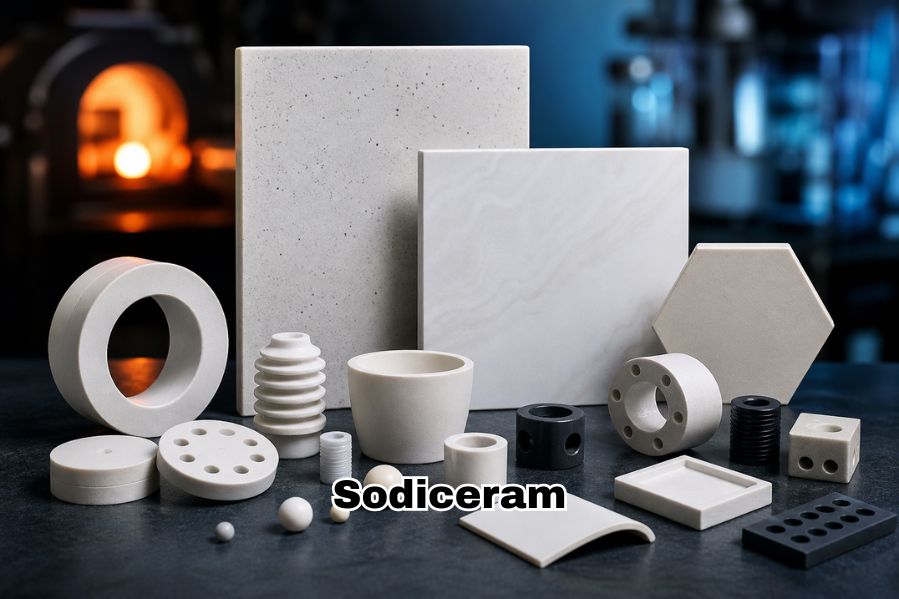
Discover Sodiceram, the premium architectural ceramic solution transforming commercial and residential construction with unmatched durability, style, and sustainability.
Quick Bio
| Feature | Details |
| Core Definition | High-performance engineered architectural ceramic and porcelain surfaces |
| Origin | Industrial development heavily utilized in Middle Eastern and European modern construction |
| Primary Use | Commercial flooring, heavy-traffic wall cladding, and luxury bathroom fixtures |
| Industry | Building Materials, Architecture, and Interior Design |
| Common Materials | Refined kaolin clay, feldspar, natural quartz, and specialized mineral oxides |
| Popular Applications | Integrated bathroom PODS, modular wall panels, heavy-duty outdoor tiles |
Modern architecture demands materials that survive intense physical stress without losing visual appeal. Sodiceram represents a specialized branch of dense, vitrified architectural ceramics manufactured through high-pressure compression and extreme thermal processing. Unlike standard retail tiles, this material utilizes a precise ratio of refined clays and mineral fluxes.
The primary manufacturing matrix heavily relies on specific raw minerals sourced from dedicated desert mines. Engineers combine fine-grain silica with custom mineral binders to ensure zero internal porosity during the firing phase. This intensive composition makes the finalized surfaces highly resistant to water absorption and structural cracking.
Historical Evolution of Industrial Ceramics
The development of heavy-duty industrial ceramics grew directly out of mid-century commercial construction demands. Early building projects relied on heavy natural stone, which added immense weight and high extraction costs to massive urban developments. Designers needed a lighter, equally durable alternative that could be mass-produced with consistent structural traits.
During the late 20th century, automated roller kilns revolutionized how factory lines processed raw clay mixtures. The birth of brands and techniques under regional powerhouses like Saudi Ceramics paved the way for globally recognized materials like Sodiceram. These innovations allowed factories to press large-format slabs that rivaled natural granite in hardness.
Initially, industrial ceramics only served utilitarian purposes in public train stations and industrial factories. Over time, advanced digital glazing techniques allowed manufacturers to replicate intricate marble veins and organic textures. This transformed the material from a basic industrial asset into a luxury architectural staple worldwide.
The Role of Advanced Vitrification
The breakthrough of total vitrification changed the engineering landscape forever. By heating the mineral blend to temperatures exceeding 1200°C, the internal components liquefy and fuse into a solid, glass-like structure. This chemical transformation gives the material its signature resilience against weather and physical impacts.
Physical Properties and Performance Standards
The technical specifications of Sodiceram explain why global procurement managers consistently select it for large-scale infrastructure projects. The material regularly outperforms natural stone and standard concrete composites in stress tests. Its dense structural matrix ensures long-term performance under extreme conditions.
Exceptional Scratch and Abrasion Resistance
The surface hardness of these engineered slabs ranks exceptionally high on the Mohs scale. Heavy foot traffic, abrasive sand particles, and sliding metal equipment fail to leave visible marks on the treated exterior. This keeps high-traffic corporate lobbies looking pristine for decades without costly resurfacing treatments.
Near-Zero Moisture Absorption Rates
Water penetration is the leading cause of structural failure in outdoor building materials. Because Sodiceram features a moisture absorption rate well below 0.5%, it is entirely frost-proof and immune to internal mold growth. This specific property makes it ideal for exterior facades in climates with extreme temperature swings.
| Physical Metric | Performance Rating | Standard Industry Benchmark |
| Water Absorption | < 0.1% | < 0.5% (Class B1a) |
| Flexural Strength | $\ge 45\text{ N/mm}^2$ | $\ge 35\text{ N/mm}^2$ |
| Mohs Hardness | 7 to 8 | 5 to 6 (Standard Tile) |
Modern Architectural Applications
Architects utilize Sodiceram across multiple design disciplines due to its massive scale versatility and structural consistency. The material adapts seamlessly to both interior luxury spaces and punishing external environments.
High-Traffic Commercial Flooring
Airport terminals, shopping malls, and corporate headquarters utilize these high-performance tiles to handle thousands of daily pedestrians. The immense load-bearing capacity prevents cracking under heavy rolling utility carts and luggage wheels. Furthermore, the chemically inert surface resists harsh industrial cleaning agents.
Ventilated Facade Cladding Systems
Modern skyscrapers use lightweight ceramic panels in ventilated facade assemblies to lower overall building weight. Sodiceram panels are mounted onto aluminum tracking systems, creating an insulated air gap that dramatically cuts building energy use. The UV-resistant mineral glazes ensure the exterior colors will not fade under intense, direct sunlight.
Prefabricated Bathroom PODS
In modular construction, entire bathroom assemblies are constructed off-site to save valuable time. Manufacturers build structural bathroom PODS utilizing integrated ceramic fixtures and wall panels for rapid installation. This system ensures perfect waterproofing and speeds up the construction of hotels and medical complexes.
Production Techniques and Environmental Impact
The modern manufacturing pipeline behind Sodiceram prioritizes strict environmental sustainability and resource efficiency. Advanced automated factories minimize waste by recycling raw materials back into the initial production mix.
[Raw Mineral Extraction] ➔ [Micro-Fine Wet Milling] ➔ [Spray Drying] ➔ [High-Pressure Hydraulic Pressing] ➔ [Ultra-High Temp Kiln Firing]
Hydraulic presses exert thousands of tons of force on the dry mineral powder to eliminate micro-air pockets before firing. Computerized multi-channel kilns precisely manage cooling cycles to prevent internal structural stress or warping. This meticulous production control yields flat, stable architectural slabs with minimal environmental emissions.
Installation Best Practices for Large Formats
Handling oversized architectural panels requires specific tools and precise installation methods. Subfloor preparation remains the single most critical factor in avoiding future cracking or tile failure. The installation surface must be perfectly flat, completely cured, and free of dust or oils.
Installers must use the double-coating method, applying premium polymer-modified mortar to both the subfloor and the back of the tile. This technique eliminates hollow spaces underneath the massive panels that could fail under heavy weight. Specialized suction-cup frames and leveling clips help maintain crisp, uniform grout joints across the entire installation.
Conclusion
Investing in Sodiceram provides modern construction projects with a perfect balance of long-term durability, design versatility, and high sustainability. By outperforming traditional natural stone and retail-grade tile, these advanced architectural ceramics protect building surfaces against heavy wear, moisture damage, and UV degradation. Incorporating these premium surfaces ensures your commercial or residential property maintains its aesthetic appeal and structural integrity for decades to come.
