

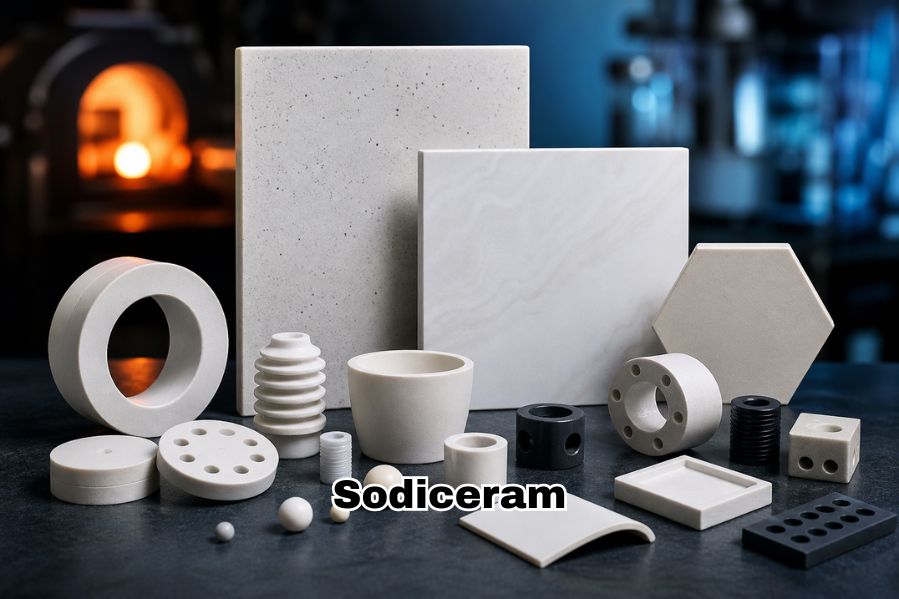
Discover everything about sodiceram tiles, including materials, applications, design options, benefits, installation tips, and future trends.
Quick Bio
| Feature | Details |
|---|---|
| Definition | Sodiceram tiles are ceramic and porcelain surface coverings used for flooring, walls, and decorative applications. |
| Origin | Associated with modern ceramic tile manufacturing and architectural surface solutions. |
| Primary Use | Residential, commercial, and industrial flooring and wall installations. |
| Industry | Construction, interior design, architecture, and home improvement. |
| Common Materials | Ceramic, porcelain, clay, feldspar, silica, and mineral-based compounds. |
| Popular Applications | Kitchens, bathrooms, living rooms, offices, hotels, retail spaces, and outdoor areas. |
| Key Benefits | Durability, water resistance, easy maintenance, and aesthetic versatility. |
| Available Finishes | Glossy, matte, textured, polished, and anti-slip surfaces. |
| Typical Lifespan | 20–50 years depending on material quality and maintenance. |
| Design Styles | Contemporary, traditional, minimalist, industrial, and luxury interiors. |
What Are Sodiceram Tiles?
Sodiceram tiles are high-quality ceramic and porcelain surface materials designed for both functional and decorative purposes. They are commonly selected by architects, interior designers, and homeowners because of their durability and extensive design possibilities.
These tiles combine visual appeal with practical performance, making them suitable for a wide range of environments, from residential homes to large commercial developments.
The History Behind Sodiceram Tiles
The evolution of ceramic tiles dates back thousands of years to ancient civilizations that used fired clay for decoration and construction. Modern manufacturing techniques have transformed these traditional materials into sophisticated products with improved strength and precision.
Today, sodiceram tiles represent the blend of historical craftsmanship and advanced production technology, offering solutions for contemporary architecture.
Types of Sodiceram Tiles
Ceramic tiles are manufactured from natural clay and fired at high temperatures. They are popular due to their affordability and versatility.
These tiles work particularly well for interior walls and moderate-traffic flooring areas.
Porcelain Tiles
Porcelain tiles contain refined clay and are fired at even higher temperatures. This process creates a denser, less porous material.
As a result, porcelain options within the sodiceram tiles range are often preferred for high-traffic and moisture-prone spaces.
Decorative Tiles
Decorative varieties focus on aesthetics through patterns, textures, and artistic finishes. They are commonly used as feature walls, backsplashes, and accent surfaces.
Materials Used in Manufacturing
The quality of any tile begins with its raw materials. Most products are produced using:
- Clay
- Feldspar
- Quartz
- Silica
- Natural mineral pigments
These ingredients are carefully blended and processed to achieve strength, color consistency, and durability.
Key Features That Make Sodiceram Tiles Popular
Several characteristics contribute to the growing demand for sodiceram tiles.
- Excellent wear resistance
- Water-resistant surfaces
- Easy cleaning and maintenance
- Wide design selection
- Long operational lifespan
- Resistance to stains and scratches
These benefits make them a practical investment for both residential and commercial projects.
Common Residential Applications
Large-format tiles create a spacious and elegant appearance. Modern homeowners often select neutral colors to achieve a clean and timeless design.
Kitchens
Tile surfaces withstand spills, heat exposure, and frequent cleaning. Their durability makes them ideal for busy cooking environments.
Bathrooms
Water resistance is one of the strongest advantages of sodiceram tiles, making them a natural choice for bathroom walls and floors.
Commercial Uses of Sodiceram Tiles
Commercial environments require materials capable of handling constant foot traffic.
Common applications include:
- Office buildings
- Shopping centers
- Restaurants
- Hotels
- Educational institutions
- Healthcare facilities
The durability and professional appearance of these tiles help businesses maintain attractive interiors for years.
Design Styles and Visual Appeal
Modern collections often feature clean lines, subtle textures, and minimalist color palettes.
Natural Stone Effects
Advanced printing technologies allow tiles to mimic marble, granite, slate, and limestone with remarkable realism.
Wood-Look Finishes
Wood-effect sodiceram tiles offer the warmth of timber while eliminating concerns related to moisture, warping, or termite damage.
Advantages Over Alternative Flooring Materials
Compared with carpet, hardwood, and vinyl, ceramic and porcelain surfaces offer several advantages.
| Flooring Type | Durability | Water Resistance | Maintenance |
|---|---|---|---|
| Sodiceram Tiles | Excellent | Excellent | Low |
| Hardwood | Moderate | Low | Medium |
| Carpet | Low | Very Low | High |
| Vinyl | Moderate | Good | Low |
This balance of durability and maintenance makes tile flooring a preferred long-term solution.
Installation Considerations
Proper installation directly impacts performance and longevity.
Important factors include:
- Surface preparation
- Accurate measurements
- Quality adhesives
- Correct grout selection
- Expansion joint placement
Professional installation generally produces the most consistent and durable results.
Maintenance and Care Tips
Maintaining sodiceram tiles is relatively straightforward.
- Sweep regularly to remove abrasive particles.
- Use pH-neutral cleaners.
- Clean spills promptly.
- Inspect grout lines periodically.
- Avoid harsh acidic chemicals.
Routine care helps preserve appearance and structural integrity over time.
Regional and Artistic Influences
Tile design often reflects regional artistic traditions. Mediterranean, Spanish, Italian, and North African influences continue to inspire modern collections.
Patterns, geometric motifs, and handcrafted aesthetics are frequently incorporated into contemporary tile ranges, creating unique visual identities.
Sustainability and Environmental Benefits
Modern tile manufacturing increasingly focuses on environmental responsibility.
Many manufacturers now implement:
- Energy-efficient production systems
- Water recycling programs
- Recycled material integration
- Reduced emissions technologies
Because of their long lifespan, tiles also contribute to reduced replacement waste compared with shorter-lived flooring alternatives.
Future Trends in Sodiceram Tiles
The tile industry continues to evolve rapidly.
Emerging trends include:
Smart Surface Technologies
New surfaces may incorporate antimicrobial properties and advanced protective coatings.
Larger Tile Formats
Oversized tiles are becoming increasingly popular for creating seamless visual effects.
Digital Customization
Advanced digital printing allows highly personalized designs, colors, and textures.
Sustainable Manufacturing
Eco-conscious production methods are expected to become standard across the industry.
How to Choose the Right Sodiceram Tiles
Selecting the ideal product depends on several factors:
- Room function
- Foot traffic levels
- Moisture exposure
- Desired aesthetic
- Budget considerations
- Maintenance preferences
Matching these requirements with tile specifications ensures optimal performance and satisfaction.
Conclusion
Sodiceram tiles have become a preferred choice for homeowners, architects, and commercial developers seeking a balance of durability, aesthetics, and long-term value. Available in ceramic, porcelain, decorative, and specialty formats, these tiles offer solutions for virtually every interior and exterior application. By understanding their materials, installation requirements, design options, and maintenance needs, buyers can make informed decisions that enhance both functionality and visual appeal for years to come.
FAQs
1. What are sodiceram tiles made from?
Sodiceram tiles are typically manufactured from natural clay, silica, feldspar, quartz, and mineral additives. These materials are fired at high temperatures to create durable ceramic or porcelain surfaces.
2. Are sodiceram tiles suitable for outdoor use?
Yes. Many porcelain-based sodiceram tiles are specifically engineered for outdoor environments due to their low water absorption, weather resistance, and durability.
3. How long do sodiceram tiles typically last?
With proper installation and maintenance, quality can last anywhere from 20 to 50 years or even longer in low-impact environments.
4. Are sodiceram tiles easy to maintain?
Yes. Regular sweeping and occasional cleaning with mild, pH-neutral products are usually sufficient to keep looking clean and attractive.
5. What is the difference between ceramic and porcelain sodiceram tiles?
Ceramic tiles are generally lighter and more affordable, while porcelain tiles are denser, less porous, and better suited for high-traffic or moisture-prone areas.
